2013 · Devices & clinical
A single center's experience with the bedside subdural evacuating port system: a useful alternative to traditional methods for chronic subdural hematoma evacuation
Safain M, Roguski M, Antoniou A, Schirmer CM, Malek AM, Riesenburger R.
J Neurosurg 118(3):694-700, 2013.
PMID 23259822 · DOI 10.3171/2012.11.JNS12689
In plain language
A chronic subdural hematoma is a slowly collecting pool of old blood on the surface of the brain, common in older adults who often have other health problems. It is usually drained through a hole drilled in the skull or a larger opening in the operating room. The subdural evacuating port system (SEPS) instead drains it at the bedside under local numbing and light sedation.
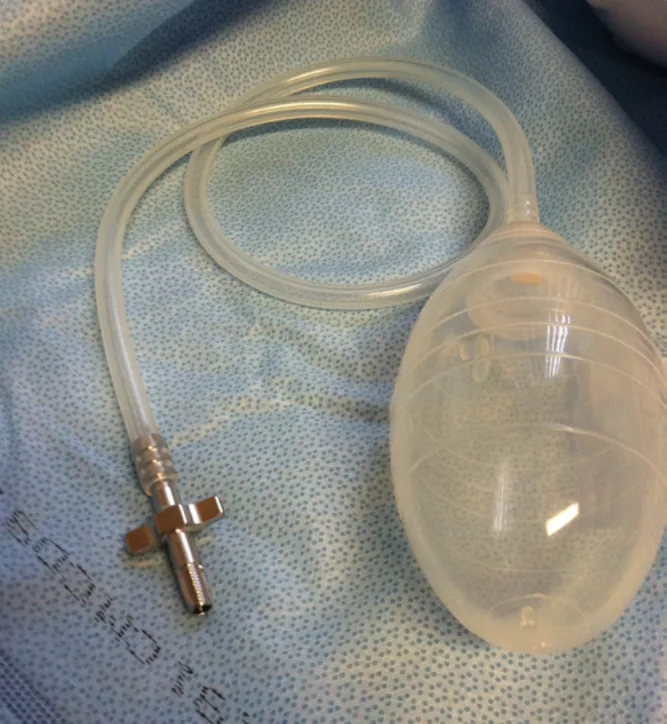
This study compared 23 hematomas treated with SEPS and 23 treated with traditional surgery at Tufts Medical Center. The amount of blood before and after treatment was similar in both groups, as were death rates, hospital stay and how well the drainage held up. Only 2 of 23 hematomas treated with SEPS needed further surgery.
The authors consider SEPS a safe and effective alternative.
A plain-language summary for patients and families. It is not medical advice, and individual results vary.
Abstract
Object The traditional methods for managing symptomatic chronic subdural hematoma (SDH) include evacuation via a bur hole or craniotomy, both with or without drain placement. Because chronic SDH frequently occurs in elderly patients with multiple comorbidities, the bedside approach afforded by the subdural evacuating port system (SEPS) is an attractive alternative method that is performed under local anesthesia and conscious sedation. The goal of this study was to evaluate the radiographic and clinical outcomes of SEPS as compared with traditional methods. Methods A prospectively maintained database of 23 chronic SDHs treated by bur hole or craniotomy and of 23 chronic SDHs treated by SEPS drainage at Tufts Medical Center was compiled, and a retrospective chart review was performed. Information regarding demographics, comorbidities, presenting symptoms, and outcome was collected. The volume of SDH before and after treatment was semiautomatically measured using imaging software. Results There was no significant difference in initial SDH volume (94.5 cm(3) vs 112.6 cm(3), respectively; p = 0.25) or final SDH volume (31.9 cm(3) vs 28.2 cm(3), respectively; p = 0.65) between SEPS drainage and traditional methods. In addition, there was no difference in mortality (4.3% vs 9.1%, respectively; p = 0.61), length of stay (11 days vs 9.1 days, respectively; p = 0.48), or stability of subdural evacuation (94.1% vs 83.3%, respectively; p = 0.60) for the SEPS and traditional groups at an average follow-up of 12 and 15 weeks, respectively. Only 2 of 23 SDHs treated by SEPS required further treatment by bur hole or craniotomy due to inadequate evacuation of subdural blood. Conclusions The SEPS is a safe and effective alternative to traditional methods of evacuation of chronic SDHs and should be considered in patients presenting with a symptomatic chronic SDH.
Abstract as indexed in PubMed (PMID 23259822). Copyright the publisher.
Cite this paper
Safain M, Roguski M, Antoniou A, Schirmer CM, Malek AM, Riesenburger R. A single center's experience with the bedside subdural evacuating port system: a useful alternative to traditional methods for chronic subdural hematoma evacuation. J Neurosurg 118(3):694-700. 2013. doi:10.3171/2012.11.JNS12689 PMID: 23259822.