2010 · Devices & clinical
Possible mechanisms for delayed migration of the closed cell-designed enterprise stent when used in the adjunctive treatment of a basilar artery aneurysm
Gao B, Malek AM.
AJNR Am J Neuroradiol 31(10):E85-6, 2010.
PMID 20884750 · DOI 10.3174/ajnr.A2258 · PMCID PMC7964020
In plain language
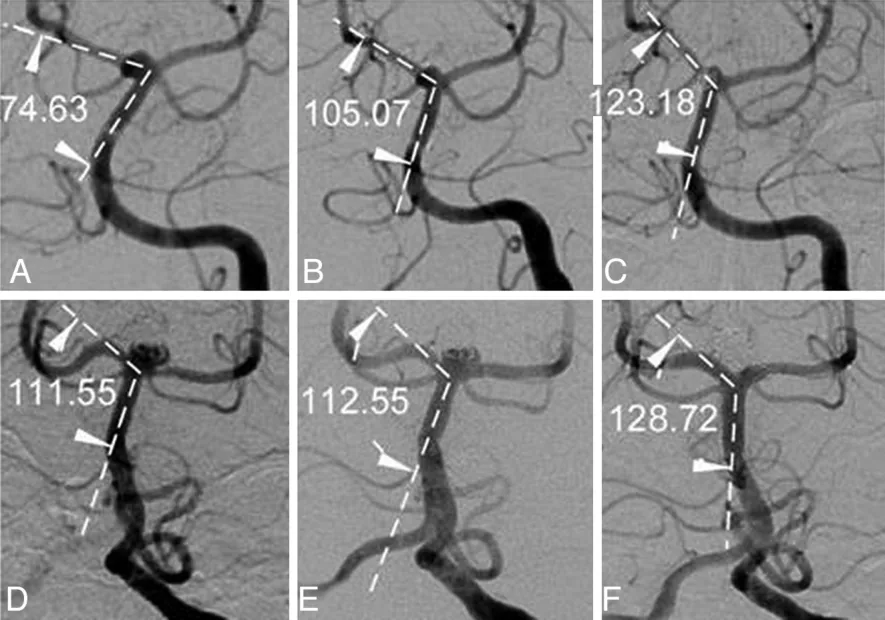
In this letter commenting on a published report, the authors discuss possible reasons why the Enterprise stent, a closed-cell brain stent, might shift out of position some time after being used to help treat an aneurysm of the basilar artery, a main artery at the base of the brain.
A plain-language summary for patients and families. It is not medical advice, and individual results vary.
Cite this paper
Gao B, Malek AM. Possible mechanisms for delayed migration of the closed cell-designed enterprise stent when used in the adjunctive treatment of a basilar artery aneurysm. AJNR Am J Neuroradiol 31(10):E85-6. 2010. doi:10.3174/ajnr.A2258 PMID: 20884750.