2015 · Devices & clinical
Vascular complications in autosomal dominant polycystic kidney disease
Perrone RD, Malek AM, Watnick T.
Nat Rev Nephrol 11(10):589-98, 2015.
PMID 26260542 · DOI 10.1038/nrneph.2015.128 · PMCID PMC4904833
In plain language
Autosomal dominant polycystic kidney disease (ADPKD) is the most common inherited kidney disease. Growing fluid-filled cysts eventually cause kidney failure. People with ADPKD also have blood vessel problems: brain aneurysms are found in about 10% of those without symptoms who are screened, and in up to 25% of those with a family history of aneurysm or bleeding around the brain.
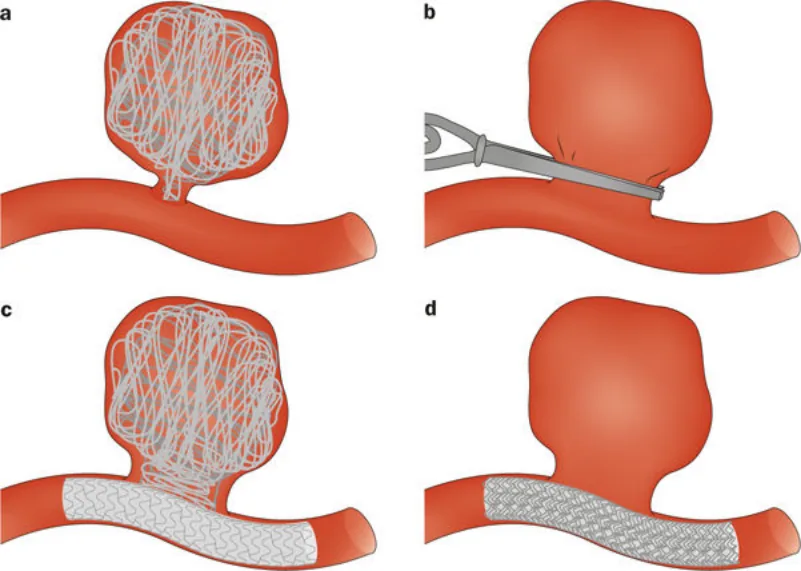
This review explains that the genes behind ADPKD help cells sense physical forces and manage calcium signals, so aneurysms may arise from local blood flow conditions made worse by high blood pressure and faulty flow sensing. It focuses on screening, diagnosis and treatment of these brain aneurysms. Other problems, such as aneurysms of the aorta and tears in artery walls, are less common, and the data are too limited to recommend screening for them.
The authors advise that treatment decisions involve expert input and weigh aneurysm location and shape along with patient age and other health conditions.
A plain-language summary for patients and families. It is not medical advice, and individual results vary.
Abstract
Autosomal dominant polycystic kidney disease (ADPKD) is the most common hereditary kidney disease. Relentless cyst growth substantially enlarges both kidneys and culminates in renal failure. Patients with ADPKD also have vascular abnormalities; intracranial aneurysms (IAs) are found in ∼10% of asymptomatic patients during screening and in up to 25% of those with a family history of IA or subarachnoid haemorrhage. As the genes responsible for ADPKD - PKD1 and PKD2 - have complex integrative roles in mechanotransduction and intracellular calcium signalling, the molecular basis of IA formation might involve focal haemodynamic conditions exacerbated by hypertension and altered flow sensing. IA rupture results in substantial mortality, morbidity and poor long-term outcomes. In this Review, we focus mainly on strategies for screening, diagnosis and treatment of IAs in patients with ADPKD. Other vascular aneurysms and anomalies - including aneurysms of the aorta and coronary arteries, cervicocephalic and thoracic aortic dissections, aortic root dilatation and cerebral dolichoectasia - are less common in this population, and the available data are insufficient to recommend screening strategies. Treatment decisions should be made with expert consultation and be based on a risk-benefit analysis that takes into account aneurysm location and morphology as well as patient age and comorbidities.
Abstract as indexed in PubMed (PMID 26260542). Copyright the publisher.
Cite this paper
Perrone RD, Malek AM, Watnick T. Vascular complications in autosomal dominant polycystic kidney disease. Nat Rev Nephrol 11(10):589-98. 2015. doi:10.1038/nrneph.2015.128 PMID: 26260542.